
The Role of Trade Cooperation in the Global Economy explores how trade agreements significantly influence economies worldwide. These collaborations foster economic growth by reducing trade barriers, promoting market efficiency, and creating job opportunities. They also play a crucial role in addressing global inequalities, such as those in labor and human capital distribution. Trade cooperation accelerates the process of globalization, enabling countries to integrate into the world economy and reduce dependency on a single currency or market. By fostering long-term partnerships, these agreements not only boost economic prosperity but also contribute to the global economy's resilience and stability.
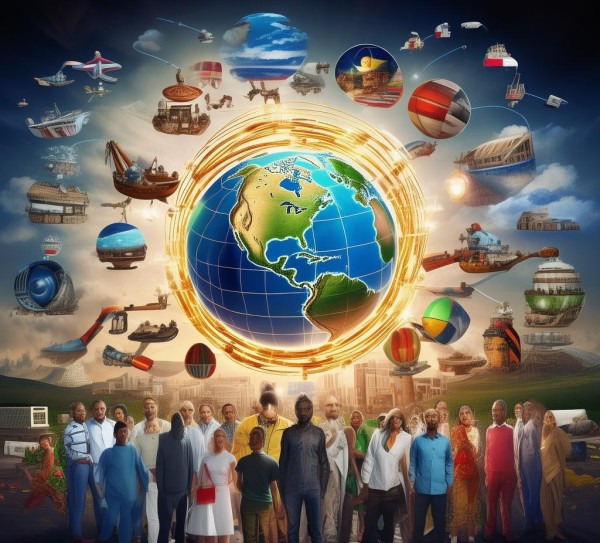
Trade cooperation, often referred to as economic partnership or business collaboration, has become a cornerstone of modern global economic development. With the rise of digital technology and global supply chains, the concept of trade has evolved from a simple economic transaction to a complex system that shapes the very fabric of economic life. Trade cooperation, in particular, has played a pivotal role in fostering economic growth, promoting technological advancement, and enhancing the well-being of individuals and communities worldwide.
Trade cooperation refers to the collaborative efforts between businesses, governments, and international organizations to streamline trade processes, reduce costs, and improve efficiency. The origins of trade can be traced back to prehistoric times, with early trade activities such as the exchange of goods between Africa and Europe. However, the systematic development of trade cooperation began in the 17th century with the establishment of international trade agreements between European countries, marking the beginning of a global trade system.
Over the centuries, trade cooperation has evolved from a limited system focused on surface-level agreements to a comprehensive framework that encompasses global economic principles. Today, trade is not just a monetary exchange but a strategic partnership that leverages technology, market dynamics, and international institutions to drive economic growth and stability.
Trade cooperation is vital to the functioning of the global economy because it provides a platform for businesses to access larger markets, reduce competition, and enhance their competitiveness. By fostering collaboration, trade cooperation enables companies to capture a larger share of profits in transactions, thereby increasing their profitability.
One of the most significant contributions of trade cooperation is its role in promoting technological advancement. International collaborations often lead to the development of new technologies and innovations that benefit all members of the global economy. For example, the rise of the internet has revolutionized global trade by enabling instant communication and sharing of information, which has accelerated economic growth and improved the efficiency of global supply chains.
Trade cooperation also plays a crucial role in addressing global challenges such as climate change, pandemics, and food security. By sharing resources and knowledge, countries can work together to develop sustainable solutions and improve the quality of life for their populations. The Paris Agreement, for instance, is a direct result of extensive international trade cooperation among nations aimed at reducing carbon emissions and achieving climate stability.
While trade cooperation has brought numerous benefits, it is not without its challenges. One of the primary limitations is the potential for conflicts and disputes between nations. These conflicts can arise from differences in economic policies, trade agreements, or political tensions. To mitigate these risks, it is essential for countries to establish clear trade agreements and to involve neutral mediators in resolving disputes.
Another challenge is the lack of uniformity in trade practices across borders. Different countries have developed their own trade systems and regulations, which can lead to inconsistencies in the flow of goods and services. To address this, the World Trade Organization (WTO) has played a key role in promoting international cooperation and harmonizing trade practices through its rules and consensus mechanisms.
Trade cooperation has become an essential component of modern global economic development. It has enabled businesses to access larger markets, reduce competition, and enhance their profitability. At the same time, it has played a significant role in promoting technological advancement, addressing global challenges, and improving the well-being of individuals and communities. However, trade cooperation is not without its challenges, including potential conflicts and inconsistencies in trade practices. To overcome these challenges, the World Trade Organization and other international bodies have been instrumental in promoting cooperation and resolving disputes.
In conclusion, trade cooperation is a vital force driving the global economy forward. By fostering collaboration, it has created opportunities for businesses, improved the efficiency of markets, and enhanced the global community's ability to thrive. As trade continues to evolve, it will undoubtedly remain a cornerstone of economic prosperity and prosperity.